
Insights
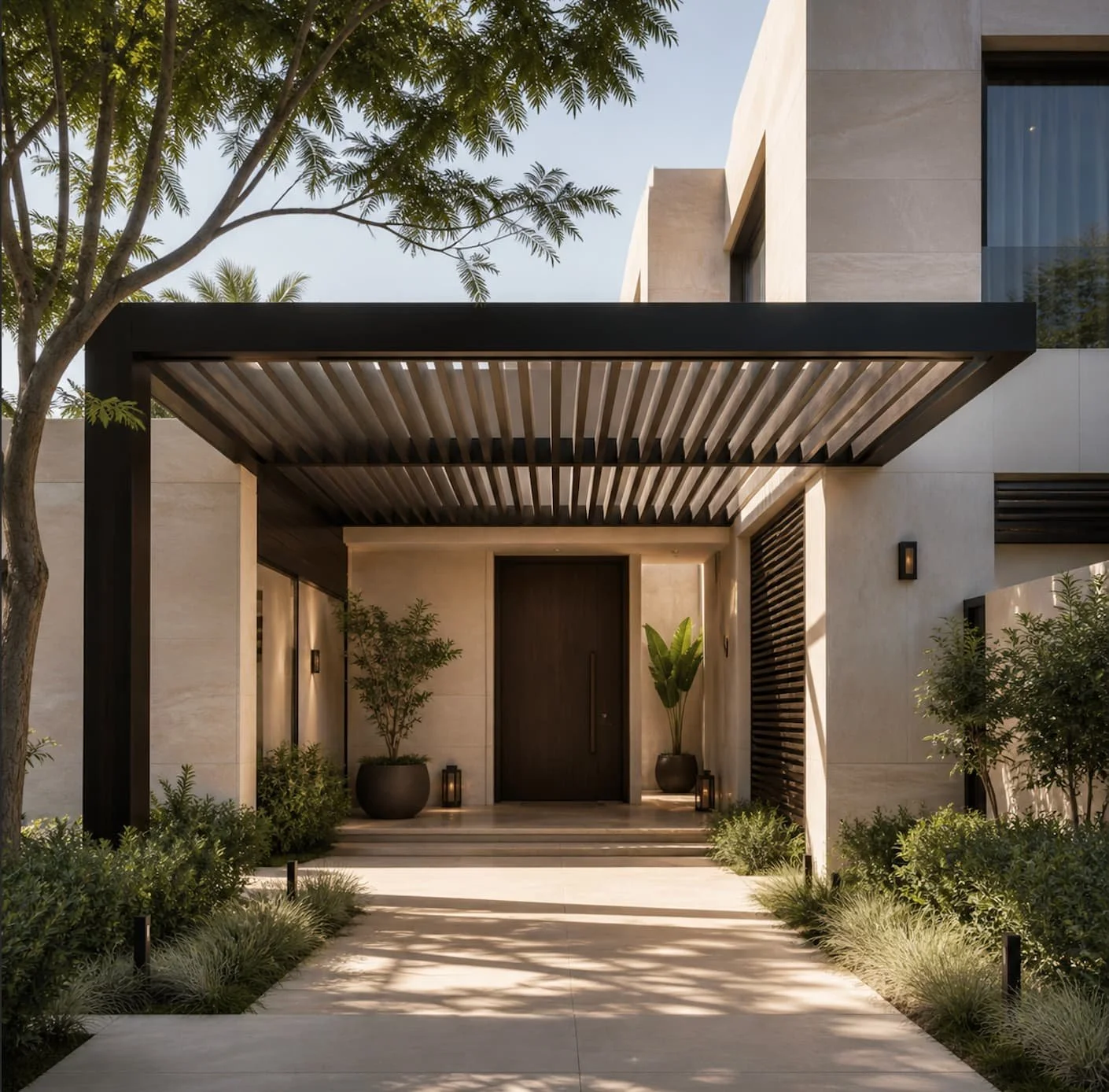
Building a Villa in Abu Dhabi in 2026: What Families Should Know Right Now
If your family is thinking about building a villa in Abu Dhabi, the market in 2026 is still very much open. But how families approach it has changed. Earlier uncertainty has not stopped people from building. What it has done is make them more deliberate. There are more questions being asked, more time being taken before committing, and a stronger appetite for clarity at every stage, which shows good judgment.
The right response to the current environment is not to rush, and it is not to hold back entirely. It is to plan properly.
The Market Is Still Active, But More Considered
The underlying residential market in Abu Dhabi remains strong. Transactions continue, projects are moving forward, and families are still investing in long-term homes. What has shifted is the pace. Buyers are taking more time to understand what they are building, who they are building with, and how the process will be managed from start to finish.
This is a healthy shift. It moves the focus away from speed and toward quality, which is exactly where villa construction should sit.
Villas Reflect How Families Actually Want to Live
While apartments still make up a large share of overall transactions, villas remain the priority for families seeking something more permanent. A private villa offers something an apartment rarely can: genuine control. Over layout, privacy, outdoor space, circulation and the freedom to adapt the home as your family's needs evolve.
For many Emirati families, the home is built around welcoming guests properly, maintaining clear separation between family and social spaces, and creating rooms that can gather people, or quietly accommodate a family growing up over decades. That is why villa design is never purely about appearance. It is about how the home functions every single day.
The strongest projects are those where the design reflects how the family actually lives, not just how the house looks on paper.
What Has Changed: Clarity Matters More Than Ever
The biggest shift in the current environment is not demand, but expectations. Families want more certainty before they begin: clear scope, clear costs, clear timelines and a clear understanding of who is responsible for what.
This is where many projects either succeed or become difficult. A villa is shaped by thousands of decisions: materials, finishes, systems, suppliers, sequencing, and coordination between trades. When those decisions are not clearly defined early, uncertainty compounds later.
Today, families are rightly asking better questions at the beginning. What exactly is included in the price? What is still provisional? What happens if something changes mid-build? How will delays or substitutions be handled? These are not difficult questions. They are the right ones, and any serious builder should welcome them.
Planning Properly Reduces Risk
There will always be movement in construction. Materials, timelines and pricing do not sit still. The difference in this market is that those variables are more visible, and families are paying closer attention to them.
The goal is not to eliminate uncertainty entirely. That is not realistic. The goal is to reduce it through early, structured planning. That means finalising key selections before construction begins, confirming specifications in advance, allowing proper time for procurement and working with a builder who plans ahead rather than reacts under pressure.
A well-structured project feels calm, even when the wider
market is not.
Design Should Support Real Life, Not Just Presentation
A villa in Abu Dhabi needs to do more than look impressive. It needs to work. That means thinking carefully about how guest and family spaces are separated, how entrances and circulation are laid out, where the majlis sits in relation to the rest of the home and how outdoor spaces can actually be used in the UAE climate rather than simply photographed.
Recent updates to villa planning regulations support this kind of practical family living, from more flexible internal layouts to shaded outdoor areas and adaptable spaces that can serve different purposes over time. Sustainability frameworks like Estidama remain equally important, ensuring homes are designed for long-term comfort, efficiency and durability in this environment.
The best homes are not the most complex. They are the most considered.
Choosing the Right Builder Matters More in This Market
In a more cautious environment, the role of the builder becomes more important, not less. A strong construction partner does more than manage a site. They explain the process clearly, define scope and costs properly, plan procurement in advance, coordinate approvals efficiently and communicate with you at every stage.
Most importantly, they reduce uncertainty, rather than pass it on to the client and expect the family to absorb it. That is where confidence comes from. Not from promises, but from clarity and structure delivered consistently throughout the build.
A Balanced Approach Moving Forward
For families considering a villa today, the message is straightforward. The market is still active. The opportunities are still there. But the approach needs to be more considered than it might have been a few years ago.
Take the time to understand your requirements properly. Work through the design carefully. Ask the right questions from the beginning. And choose a builder who operates with the kind of structure and discipline that a project of this scale deserves.
A family home is one of the most important long-term decisions you will make. It deserves a process that reflects that.
At Construct Right, we believe a villa should be built with clarity from the very beginning, so that the result is not only beautiful, but practical and ready for the way your family will live for years to come.
